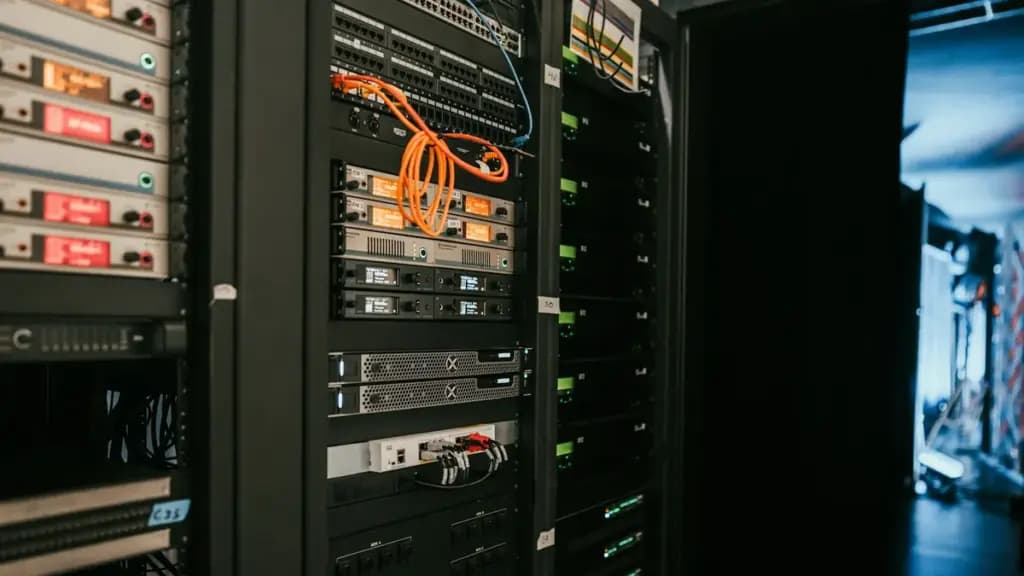
For an MSP, the first split is whether the platform must run the service business as well as manage devices. Atera and Syncro explicitly combine RMM with service administration and charge by technician. NinjaOne is worth shortlisting when endpoint operations and existing tool integrations lead the decision. N-sight brings monitoring and service workflows together in the N-able ecosystem. SuperOps uses an endpoint-based offer with unlimited technicians. Choose from the workflow and growth pattern, then compare a complete quote.
Follow an alert through to a billable resolution
If patch deadlines and restarts are the main gap, use the endpoint patch management software comparison to examine that policy in more detail. RMM adds ongoing client monitoring and service work.
Review IT service management platforms when the service desk owns approvals, assets and changes. An MSP should additionally establish customer separation and recurring billing.
| Platform | Workflow fit | Billing scope | Decision boundary |
|---|---|---|---|
| NinjaOne | Endpoint operations with connected tools | Per-device quote | Specify PSA, backup and remote access scope |
| Atera | RMM and help desk in one workspace | Per technician; unlimited endpoints | Marketplace and network-discovery extras |
| Syncro | Native RMM plus client billing | Core $159 monthly or $129/month annually per user | Team adds M365 and advanced workflows |
| N-sight | Monitoring linked to service workflows | Request a scoped quote | Identify optional protection and recovery |
| SuperOps | Endpoint management and service operations | Per endpoint with unlimited technicians | Confirm the MSP package and PSA scope |
NinjaOne
NinjaOne documents real-time monitoring, condition-triggered scripts, background device actions and patching across Windows, macOS and Linux. It fits an MSP that wants the device workflow to be the center of operations and already has service tools it intends to keep. Its pricing depends on device volume, region and products purchased. Ask for the exact remote-access, backup and service-tool integration scope rather than assuming that an RMM quote replaces every PSA or security subscription. The tradeoff is commercial and operational integration: a strong device action still needs an owner, a ticket and a customer-facing record. Official references include Product and scope, Plan or supporting details.
Atera
Atera combines remote monitoring, patching, help desk and MSP administration around a per-technician subscription with unlimited endpoints. That makes it a useful shortlist when a small service team expects the managed fleet to grow faster than headcount. Its current MSP pricing page asks buyers to contact sales; obtain the effective tier and billing term rather than borrowing an older published amount. Network Discovery and marketplace integrations can add charges. Confirm the purchased OS support, remote-session capacity and automation limits. Unlimited devices is a licensing statement, not evidence that every service, third-party security tool or end-user remote-access entitlement is included. Official references include Product and scope, Plan or supporting details.
Syncro
Syncro puts RMM and PSA in both MSP plans, including ticketing, recurring billing and invoicing with unlimited endpoints per technician. Its current Core offer is $159 per user per month on monthly billing, or $129 per month on annual billing, in USD. Team is $209 monthly or $179 per month annually and adds multi-tenant Microsoft 365 security and more service automation. This is relevant when device work and the client invoice should share one system. Separate cloud backup and future usage-based AI charges from the base subscription. Do not select Core solely from its price if Entra actions or the Team service workflows are part of your contract with clients. Official references include Product and scope, Plan or supporting details.
N-sight
N-sight combines endpoint monitoring, remote actions, patching and automation with ticketing and time-tracked billing workflows. It is worth comparing when an MSP wants to connect device service with a broader N-able stack. The feature summary explicitly presents backup, MDR and XDR as expansion options, so distinguish an available integration from a purchased entitlement. Request a quote listing supported device types, remote support, ticketing users and each security module. An MSP already using N-able products may value continuity, but it should still establish how alerts, tickets and billing are joined for its actual customer contracts. Official references include Product and scope, Plan or supporting details.
SuperOps
SuperOps currently presents endpoint-based monthly billing with unlimited technicians at no extra charge. That reverses the cost-growth question posed by Atera and Syncro: adding a technician does not itself increase the advertised seat count, while adding managed endpoints affects the quote. Its platform offers monitoring, alerting, patching and service-desk workflows. The pricing page has separate IT and MSP views, so request the MSP configuration and confirm customer management, billing, mobile management and remote-access licensing explicitly. This can be a sensible shortlist for a service business with many people touching a modest fleet; it is not automatically cheaper for a lean team managing a large endpoint estate. Official references include Product and scope.
Price the fleet and the people separately
Unlimited endpoints can simplify growth, but only if the required service and device controls are in the purchased package. Build two quotes: the fleet you manage now and the same fleet after adding clients and another technician. Separate the RMM subscription from backup, security products, network discovery, remote-access rights and onboarding. Ask how a client is isolated, how permissions restrict a technician, how an alert becomes a ticket, and how the completed work reaches the invoice. A low device price can fit a small fleet with many technicians; a per-technician offer can fit a lean team with many endpoints. Neither unit alone proves the lower total cost.
By Toolverly Editorial, with AI-assisted research and drafting.
Photo by Kevin Ache on Unsplash. Read about our publication or send a correction.