Choose a restaurant reservation system by how guests find you and what the host stand needs to do next. OpenTable deserves attention when network discovery is part of the purchase. Resy combines its diner network with different table-management and experience packages. SevenRooms is relevant when guest relationships and marketing across venues matter alongside bookings. Eat App offers a connected reservation and guest-management system with edition-dependent integrations, while Resos is a useful direct-booking shortlist with booking-based plans and paid extensions. Compare the full booking path, because commission-free does not mean every payment, message or integration is free.
What the buying decision includes
A reservation consumes table availability, not just a place on a calendar. Start with booking source, party size, seating duration, walk-ins, deposits and no-show handling. Then decide which venue owns a guest record and who can use it for future communication. A restaurant with strong direct demand has a different buying problem from one seeking diners from a marketplace. Neither a network listing nor a lower subscription proves that a service will generate incremental guests for a particular location.
| Product | Useful starting point | Cost boundary | Decision to settle |
|---|---|---|---|
| OpenTable | Network discovery plus restaurant operations | Subscription, network covers and plan-specific direct booking charges | What portion of paid network demand is useful to this venue? |
| Resy | Network bookings with distinct table/experience packages | Monthly package; prepayments and processing separately scoped | Which plan family includes your POS and event workflow? |
| SevenRooms | Guest relationships and group operations | Quoted package plus marketing, API and other add-ons | Which connected guest and venue controls are actually included? |
| Eat App | Connected reservations, guest data and messaging | Plan, integration and message allowances; mixed matrices need confirmation | Which named current plan and allowances are in the quote? |
| Resos | Direct booking with a simpler base system | Booking allowance plus separately paid extensions | Does the full extension basket still fit the budget? |
OpenTable
OpenTable combines its diner network with reservations, guest records and plan-dependent restaurant operations. Basic, Core and Pro should not be treated as interchangeable: the US Basic offer is a lighter reservation package, while more extensive floor and guest tools belong to higher plans. The network is useful when the restaurant wants discovery as well as booking software, but a network cover fee should be evaluated against the venue's actual acquisition needs. OpenTable official source.
The US rate card separates monthly subscriptions, per-network-cover charges, website booking terms and prepaid experience fees. Core and Pro include website reservations; Basic lists separate website booking charges. Per-cover means per guest, so party size affects that part of the bill. Build the comparison around the expected booking-source mix and confirm local contract, setup and payment terms. A low subscription alone cannot establish the lowest cost for a restaurant with many network bookings. OpenTable official source.
Resy
Resy currently presents Platform and Platform 360 alongside Essential and Premium offers, with different emphasis on POS connectivity, analytics and experiences. This matters more than choosing solely by the monthly headline: similarly priced packages can have different workflows. Tock pricing now redirects into this Resy offer, so it is not counted as a separate fifth alternative here. Identify which product path and merchant terms your proposal actually uses. Resy official source.
The pricing page states no per-cover fees, but lists prepayment fees for Essential and Premium and says standard payment processing also applies. Those terms qualify the fixed-fee story. If prepaid dinners or ticketed experiences are significant, compare their fee base and the required POS integration together. Do not reuse an older Platform or Tock price table as evidence of the package available today. The purchase should name the offer, payment terms and included support. Resy official source.
SevenRooms
SevenRooms combines reservation and waitlist tools with guest profiles, marketing and restaurant operations. That is a useful starting point for a group trying to recognize guests across visits and venues. The operational value depends on the connection between a booking, the guest record and permitted follow-up, rather than simply accumulating a larger contact list. Your team still needs clear rules for guest preferences, access and communication consent. SevenRooms official source.
The current pricing page is quote-led, shows named package levels and a detailed Starter scope, and lists add-ons including email marketing, event management, Voice AI, messaging, API/integrations and Group Portal. Do not assume the full website feature catalog belongs to the entry quote. Ask for an itemized proposal covering each venue, cross-venue reporting, POS connection and communication services. This is particularly important when the reason for buying is group-wide guest management rather than reservations alone. SevenRooms official source.
Eat App
Eat App connects online reservations, table management, waitlists, guest CRM and messaging. Its wider feature set includes integrations and multi-venue operations, so it can suit a restaurant wanting bookings and guest information in the same workspace. Establish what the host stand needs during service before adding marketing or AI features. The feature page describes the available platform, not an entitlement guarantee for every subscription. Eat App official source.
The pricing page currently contains newer Lite/Core/Pro cards alongside older Starter/Essential comparison blocks, with inconsistent entry-plan guest allowances. It also separates included messaging and additional usage, while integration and AI scope depend on the offer. Consequently, no ambiguous entry-plan cap or numerical total is used here. Have sales identify the current plan, booking/cover allowance, POS and payment integration, message quota and overage terms in writing. This is a decision-relevant uncertainty, not evidence that every displayed matrix applies together. Eat App official source.
Resos
Resos provides booking and table-management features, guest records and reporting without per-cover commissions. Its pricing offers a Free tier and paid booking allowances, while listing a separate set of extensions. It is a useful shortlist when direct booking and manageable host-stand operations matter more than buying access to a large diner marketplace. A party reservation and a seated guest are different billing units, so its booking allowances should not be compared directly with another vendor's cover meter. Resos official source.
The support documentation says paid-plan booking counts use a rolling 30-day window and include reservations from different sources, including manually entered ones. It also describes automatic upgrades when the allowance is exceeded. Payments, experiences, certain discovery connections, waitlists, API and other extensions can add cost; the Free plan does not include paid add-ons. Price the required extensions together, and confirm how seasonal peaks or a requested cap on automatic upgrades affect operation. Resos official source.
Which purchase fits your operation?
Choose the booking system that matches your source of demand and the next operational handoff. Compare OpenTable and Resy when network discovery matters; SevenRooms when the guest relationship spans venues and marketing; Eat App for a connected host-stand and guest workspace; and Resos for a direct-booking operation with a clearly costed extension basket.
A destination restaurant with strong direct demand may prefer a different commercial model from a new venue needing discovery. A group may justify more expensive guest-data tools while a single location cannot. Compare subscriptions, network covers, prepayments, processing, messages and integrations as separate lines. The operational owner should be able to explain both how a table becomes available again and how the guest's record is handled after the meal.
For related decisions, compare restaurant POS systems and customer review management.
By Toolverly Editorial, with AI-assisted research and drafting. Product information checked October 28, 2026.
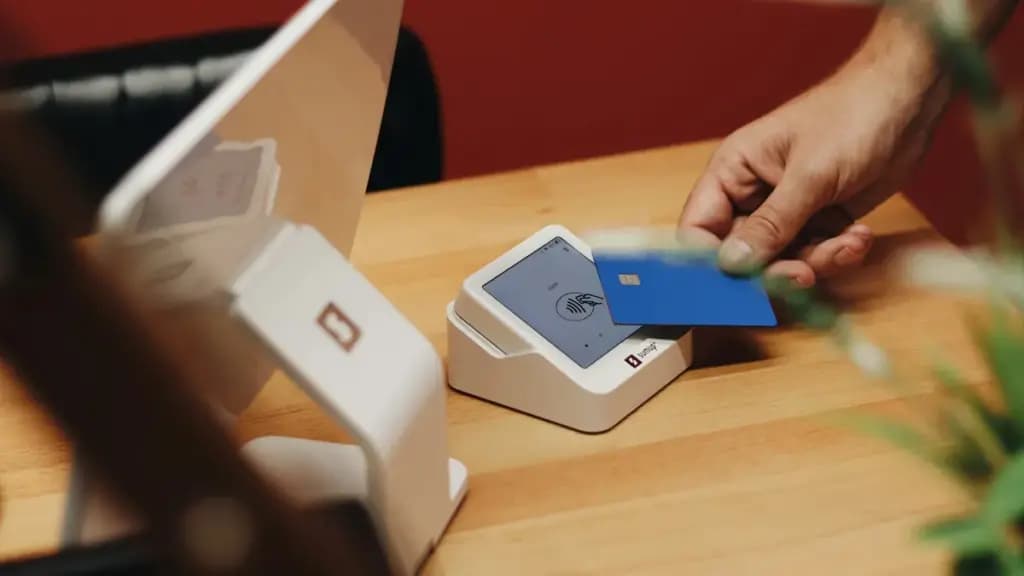
Photo by SumUp on Unsplash. Read about our publication or send a correction.